
Getting in Touch with the Senses!
Exploring Sensory Resources for Children with Sensory Processing Disorder
Children with sensory processing difficulties struggle to take in and respond to sensory information. This can make self-regulation tough, leading to emotional outbursts or avoidance behaviours. Sensory processing disorder (SPD) can show up in different ways: over-responsivity, under-responsivity, or unpredictability to sensory input. These challenges can significantly affect daily life, social interactions, emotional regulation, and motor skills. Everyday tasks like dressing, feeding, and toileting may become challenging. Yet, there are many resources available to help children with SPD thrive!
What are Sensory Gyms?
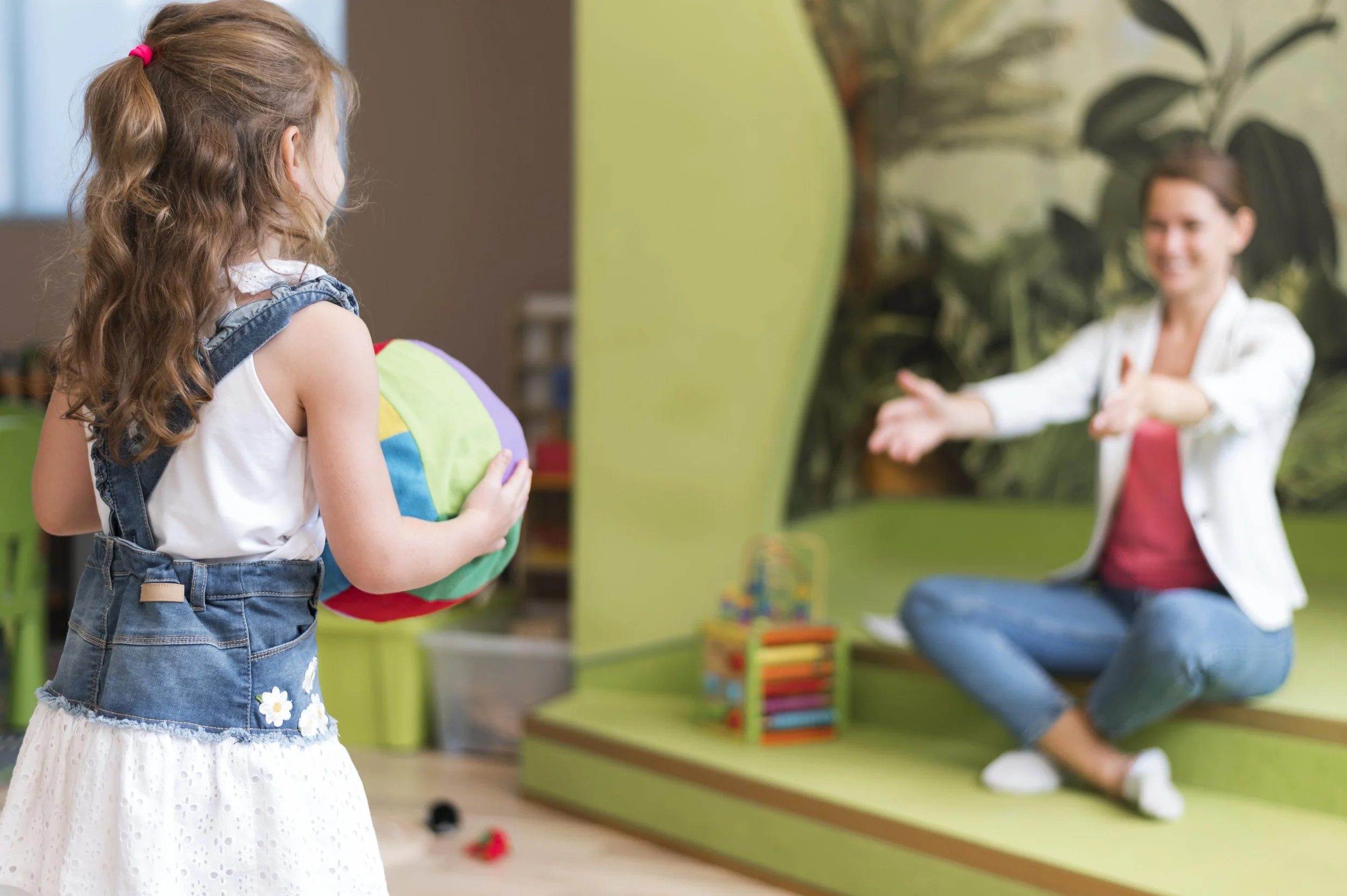
Image by Freepik
Within pediatric occupational therapy, sensory gyms are structured therapeutic environments that help children with SPD to grow and develop their senses. These spaces enable children to use various gym equipment to enhance their skills in the following areas:
Sensory Integration/Regulation
The primary target area of sensory gyms is to address sensory needs. We often learn about the five senses (sight, taste, smell, touch, hearing), but there are actually eight! The additional three senses are considered foundational to address within sensory gyms.
Touch (Tactile): Sensory gyms are a great opportunity to explore different textures and materials to support sensory regulation (e.g., sensory bins filled with various materials, ball pits, textured climbing structures). It can also assist in the desensitization of touch through exposure so that children who have heightened touch sensitivity can become more comfortable and build tolerance to different textures.
Movement (Vestibular): Otherwise known as the balance and coordination sense. Sensory gyms can help children with SPD develop their movement sense by offering sensory gym equipment like swings, trampolines, and zip lines, to provide a range of vestibular input. Different movements can support sensory regulation based on each child’s needs.
Body Awareness (Proprioception): This sense helps to understand and control one’s body position and movement. Sensory gyms can provide deep pressure and heavy work activities (e.g., rock climbing, carrying a therapy ball, crashing into a soft pad) to support one’s body awareness and self-control.
Motor Skills Development
Sensory gyms can also target gross motor skills through physical activities (e.g., climbing, swinging, jumping) using specialized gym equipment like swings, rock climbing walls, and trampolines. These activities build essential motor skills for everyday activities. Fine motor skills can also be targeted through sensory gyms by interacting with hanging toys and sensory boards to support hand-eye coordination, dexterity, and small muscle control.
Social Interaction
In these spaces, children can work with peers who share similar needs to achieve common goals. Children practice key social skills like turn-taking, communicating with others, and gaining confidence in group settings.
Emotional Regulation
As sensory gyms support the sensory regulation of children, this can have a beneficial impact on their mood and support their overall engagement in different activities.
Nature as Outdoor Sensory Gyms
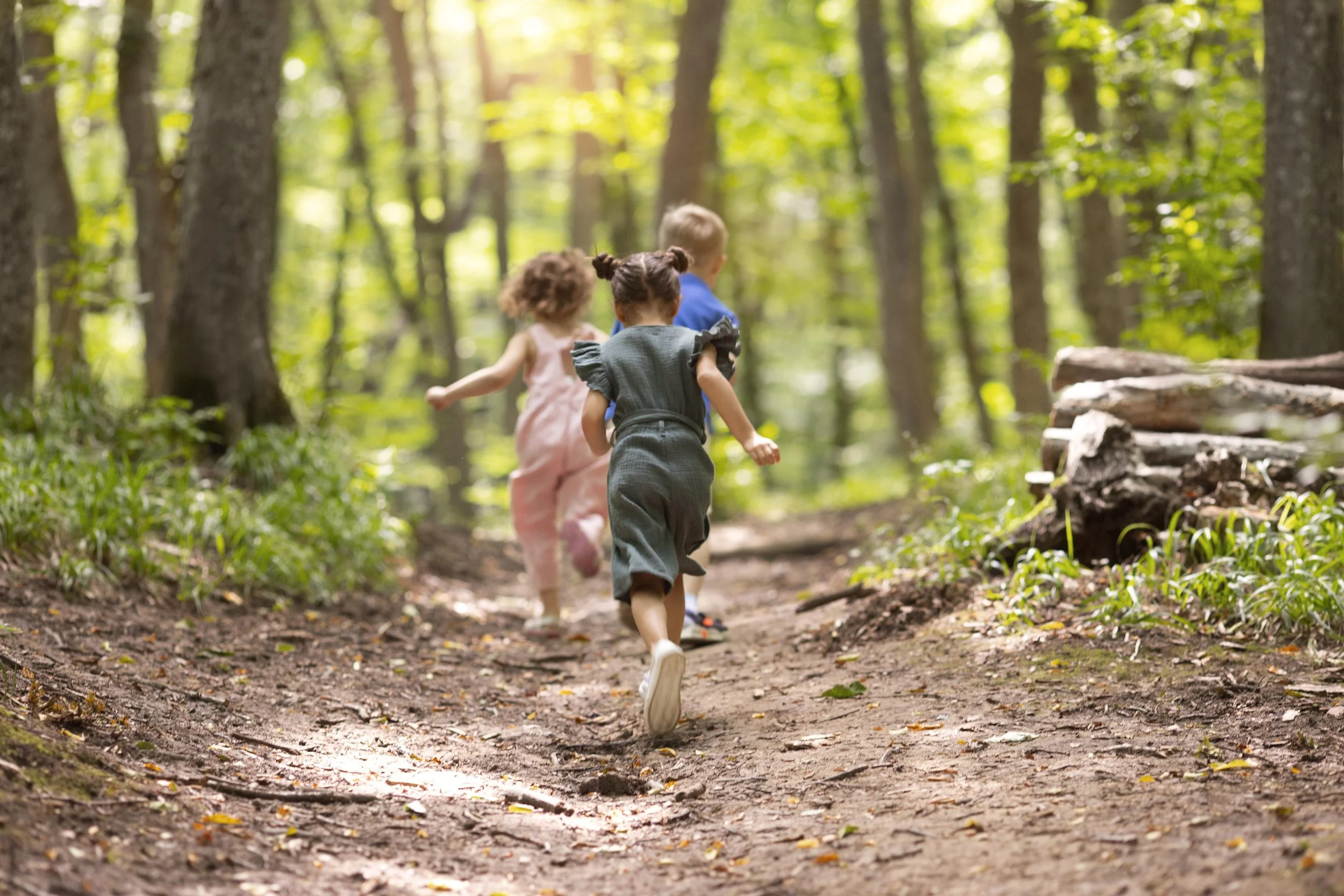
Image by Freepik
Nature-based therapy takes place in unstructured outdoor environments that depend on the multisensory elements of nature to provide therapy. These environments can include forests, parks, gardens, farms, and ponds. An occupational therapist will facilitate various activities in nature, from nature walks to gardening to unstructured play, while also targeting the areas that would be addressed in sensory gyms. Yet, instead of relying on gym equipment to target developmental areas, nature-based therapy is focused on utilizing nature to provide calming sensory input and promote physical activity.
For a child with SPD, nature-based therapy offers a multitude of sensory experiences that can diversify their interactions with their environment and improve their sensory processing. The natural environments also tend to be less overwhelming than urban environments, reducing sensory overstimulation and having a calming effect on their emotional state. The therapeutic opportunities in nature can target so many developmental areas! An example of a therapeutic activity in nature-based therapy can be doing a scavenger hunt during a nature walk. This type of activity targets tactile input (touching natural items like leaves, pebbles, insects), gross motor skills (walking, climbing rocks/trees), visual/auditory input (listening to the wind, birds chirping, natural light), social skills (working with others in a group to find the items), and more!

Here is an example of a scavenger hunt that we did in one of our camp sessions this year!
Another key component of nature-based therapy is risky play. Risky play is a child-led approach that builds resilience and confidence. The occupational therapist facilitates a supportive environment for the child to explore nature and make their own decisions through engagement in challenging activities—for example, rough-and-tumble play, climbing over a creek, or playing with water. While there is uncertainty and potential for physical injury, the occupational therapist is present to guide the child through healthy risk-taking.
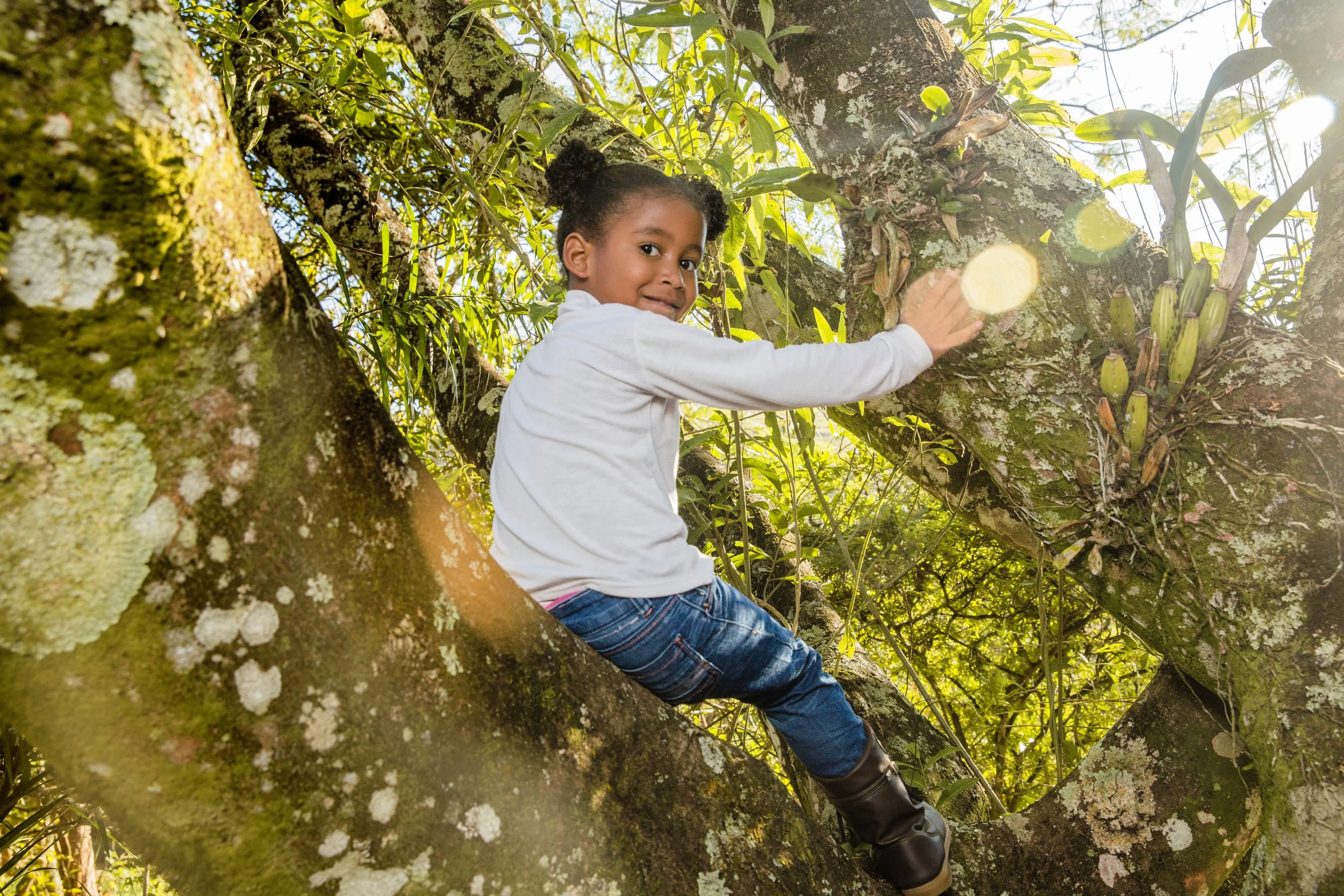
Image by Freepik
Bringing Nature Indoors!
Getting in touch with nature while living in the city can be a challenge. However, creating a “nature nook” at home, where you foster a space for natural elements, can be a piece of cake! A “nature nook” can be individualized based on the sensory needs of the child. It also does not need to take up a lot of space. The key is to find a comfortable spot that incorporates natural elements to encourage self-regulation. It is important that the nook targets the senses, matching the sensory needs of the child.
Collecting and displaying plants, allowing natural light to flow in, and creating nature-themed art for For visual input, use plants, natural light, and nature-themed art. To address auditory needs, you can play recordings of natural sounds like rain, waves, or birdsong. For tactile input, include materials like soft wool blankets, wooden objects, or a small bowl of smooth stones to touch and hold. Creating sensory bins with natural items can also foster tactile input. The goal is to provide a rich, multi-sensory environment that helps to calm a child's nervous system when they feel overwhelmed.

Image by Freepik
Creating a Sensory Diet
A sensory diet helps identify a child's sensory needs and suggests specific sensory-based activities. Typically prescribed by an occupational therapist, a sensory diet is an individualized plan aimed at improving sensory regulation and addressing SPD. Completing a sensory profile questionnaire helps create a sensory diet. Parents or guardians fill this out with guidance from an occupational therapist, who reviews the results to develop a personalized plan. The goal is to enhance daily engagement and support self-regulation in multi-sensory environments.
