
How Art Supports Neurodiverse Minds
How We Define the Arts at Davis OT
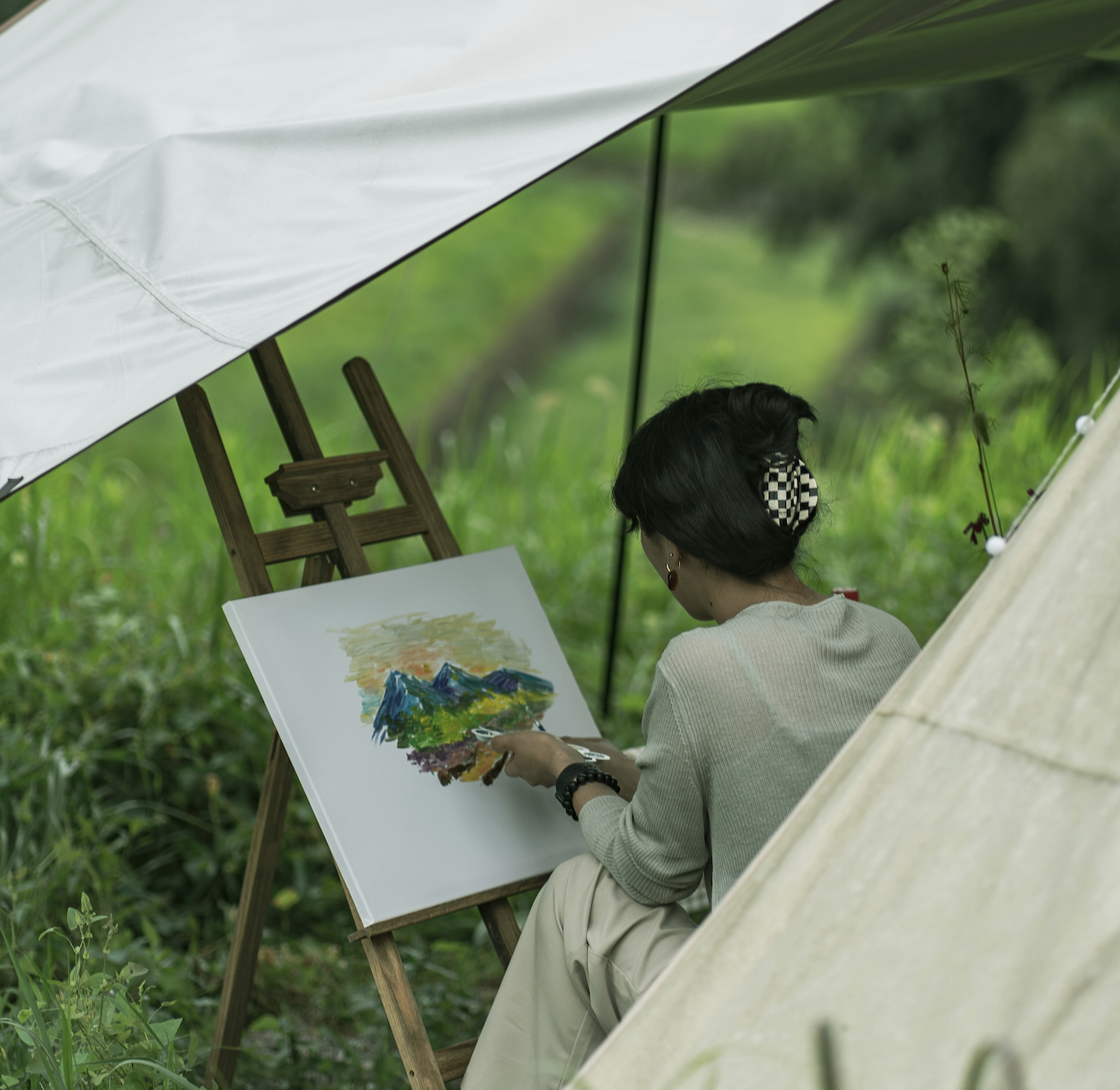
At Davis OT, we view the arts as a meaningful way to engage in creative expression through activities like drawing and painting. The goal is not to produce the ‘perfect’ art piece. Instead, we use art as a tool to support creative expression, sensory regulation, social connection, and self-esteem. In an occupational therapy program, art can help improve mental health. It also offers a safe space for sharing stories.
3 Ways Art-Based OT Groups Can Help You!
1. Improves health & wellness
Research indicates that leisure can help the general adult population gain spiritual well-being. The adolescent population is similar. Teens involved in leisure activities have better mental health and a higher quality of life (Stacey et al., 2018).
2. Strengthens social connections
Studies suggest that being part of a group sharing a common interest can help cultivate a sense of belonging (Stacey et al., 2018). Additionally, interacting with others while doing arts can help reduce loneliness and isolation. Studies indicate a link between loneliness and mental illness (Fancourt & Finn, 2019).
3. Supports health education
Through discussions with their peers, participants can:
Learn how to manage health conditions.
Help build trust around sensitive health topics.
Raise awareness of communicable diseases and broader health issues.
Improve medication and treatment adherence through storytelling (Fancourt & Finn, 2019).

Art and Autism
1. Powerful communication tool
Art is not just a way to create. It is also a powerful tool for communication, especially for those in the autistic community. Research shows that art groups can improve social skills and language (Fancourt & Finn, 2019). Autistic individuals often find it hard to share their thoughts and feelings. Thus, art can help others understand their experiences (Stacey et al., 2018).
2. Lowers stress
Evidence also shows that art can lower stress, lift mood, and build self-esteem in autistic individuals (Fancourt & Finn, 2019).
3. Builds emotional awareness
Through art, autistic individuals can begin to:
Recognize their emotions.
Understand and process how these emotions show up in their bodies.
Develop strategies for self-regulation.
Art and the ADHDer
For individuals with ADHD, art provides an opportunity to express, regulate, and reflect on emotions. Safran (2012) shows that art activities can help people with ADHD feel better.
Like those on the autism spectrum, art helps people with ADHD share strong feelings that words cannot express. Drawings also help art group participants learn how ADHD affects emotions (Safran, 2012).
Art therapy can enhance self-regulation in individuals with ADHD. For example, art supports self-regulation for those with ADHD by offering:
A safe space to channel their hyperactive or impulsive energy.
An alternative to suppressing their behaviours.
A way to return to a calm, focused state (Safran, 2012).
Finally, art can be a tool to record what individuals feel in the moment. This can be useful, as the individual can go back to the artwork later to reflect and understand what they felt.
The Role of Art in Mental Health and Wellbeing
Throughout history, people have engaged in painting, storytelling, and dancing to heal themselves. Psychologists now see that art therapy can heal emotional traumas. It helps raise awareness of feelings within oneself and others. Additionally, it can change unhelpful thought patterns (Shukla et al., 2022). Furthermore, art therapy can reduce depression and anxiety symptoms.
Join Our Art-Based OT Group!
Davis Occupational Therapy is excited to offer a new Art-Based OT group. This pilot group will take place on May 3rd at 12pm, at Beetle & Bear Clinic. This group welcomes neurodiverse young adults and teens and aims to promote self-expression, socialization, and emotional regulation. No art experience is required. Click the link below to learn more about this exciting new group.